
Arrest Warrants in Marion County
An arrest warrant lets an officer take a person into custody once a complaint and a probable-cause review are complete. The basic rules come from Texas Code of Criminal Procedure Chapter 15, which governs issuance and execution. Which judge signs, which document is used, and which agency serves it all depend on the case. In Marion County, a felony matter usually lands in the 115th or 276th District Court, with the criminal file held by the District Clerk. A justice of the peace or another magistrate can also act within legal authority. The court record, not a web search, tells you what process was issued. Ask the clerk for the file, not a search engine.
Marion County Warrant Issuance Starts With Facts
Locally, the same state framework applies step by step. A peace officer, prosecutor, or complainant supplies the sworn basis, a magistrate reviews probable cause, and an authorized judicial officer issues process once the legal requirements are met. Marion County publishes no single office that handles every arrest warrant, and no public list of warrant applicants. For the general rules on arrest authority and execution, the Texas Code of Criminal Procedure covers Chapter 15 in full, but read it alongside the specific court file rather than in place of it.
For a Marion County warrant, lean on the statute for the general rules and ask the issuing clerk about the status of any one case.
What a Marion County Arrest Warrant Contains
A formal warrant may name the officer addressed, the person or a description, the offense, the issuing authority, and the command. The county-linked roster is a separate document with booking-related fields. Marion County publishes no warrant-number format or sample warrant.
| Warrant number | Format not published No local numbering guide was located. |
|---|---|
| Person / description | Identifying detail required by the document; confirm through the court. |
| Charge / offense | Offense and complaint information; a charge is not a court finding. |
| Issuing authority | Judge or magistrate and the court or case that holds the file. |
| Bond / bail | Confirm the current order and accepted posting method with the court or jail. |
| Issue / return | Dates may record issuance and service; the public roster does not show every event. |
Marion County Arrest Warrant District File Route
Marion County sits in the 115th and 276th District Courts. For a felony criminal file, contact District Clerk Susan Anderson and give the court or case number. The County Clerk keeps a separate record set, and the two offices are not interchangeable. The official District Judges page lists assignments, and the District Clerk page gives the office record route. An office page can direct a question but cannot confirm every sealed or active matter.
How Arrest Warrants Are Served
The Sheriff is the county's documented law-enforcement and custody route. Jefferson Police and Ore City Police keep their own city contacts. The county publishes no dedicated warrant division, no named warrant server, and no city-by-city service map, and Avinger has no current police page. After service come booking and magistration. Bond is a separate decision from the underlying case, with bail procedure governed by Chapter 17. The roster's Total Bond field is only a display value. Ask which agency holds the process and which court controls the case.
Marion County Arrest Warrant Service Agency
A court or magistrate issues the warrant, and a peace officer executes it. In Marion County, the Sheriff can answer custody or routing questions, while city police may handle city process. The serving agency never replaces the issuing court as the source for recall, bond conditions, or the next hearing.
| Office | Documented local role | Not published |
|---|---|---|
| Marion County Sheriff | County law-enforcement, custody, and roster route. | Dedicated warrant line, roster, hours, and service map. |
| Jefferson Police | City police contact and citation drop-off route. | Public warrant portal or warrant division. |
| Ore City Police | City police and dispatch contact. | Which agency serves a particular warrant. |
| JP / municipal magistrates | May issue or process lower-court warrants within authority. | Local service assignment by warrant type. |
Arrest Warrant vs Summons vs Bench Warrant
An arrest warrant rests on probable cause for an offense. A summons orders a person to appear without immediate custody, while a bench warrant or capias can follow a missed court duty. The issuing court controls the process and the response. Marion County bench warrants grow out of that separate court-obligation route.
| Feature | Arrest Warrant | Summons | Bench Warrant |
|---|---|---|---|
| What it orders | Arrest under the warrant’s command. | Appearance at the stated court or time. | Response to missed or unmet court duty. |
| Basis | Probable cause tied to a complaint or affidavit. | Notice to appear in a case. | Nonappearance or noncompliance in an existing case. |
| Who issues it | Judge or magistrate with authority. | Court or authorized officer. | Judge handling the underlying case. |
| How to respond | Ask counsel and the court about appearance or bond. | Follow the appearance instructions. | Ask the issuing court about reset or recall. |
Marion County Arrest Warrant Booking Limits
The Sheriff-linked roster can display Warrant #, Counts, Statute, Description, M/F, and Bond Amount after a booking. Those fields describe one booking-linked row. They are not a standalone list of arrest warrants, and they do not reveal every unserved process in Marion County. Treat a roster entry as a pointer back to the court paper and the clerk. A name missing from the current-inmate screen may simply mean the person is not in custody. The Sheriff page links the roster and gives the general public phone route. Use the official Sheriff page to reach the county-linked roster.
What to Do If There Is a Warrant for You
First confirm the issuing authority. Ask whether the warrant is current, whether a lawyer can arrange a walk-through, and where a voluntary appearance should happen. Marion County publishes no dedicated surrender window or current bond-counter schedule, so do not assume a jail-roster result answers those questions. A licensed Texas attorney can discuss recall or quash options, bond, and the underlying charge. If the concern involves federal or out-of-state process, the originating jurisdiction controls, and no county payment route can resolve it.
Important: Before appearing, confirm the court’s instructions and consider legal advice; the Sheriff can route custody questions but cannot recall another court’s warrant.
Federal Warrants Leave Marion County
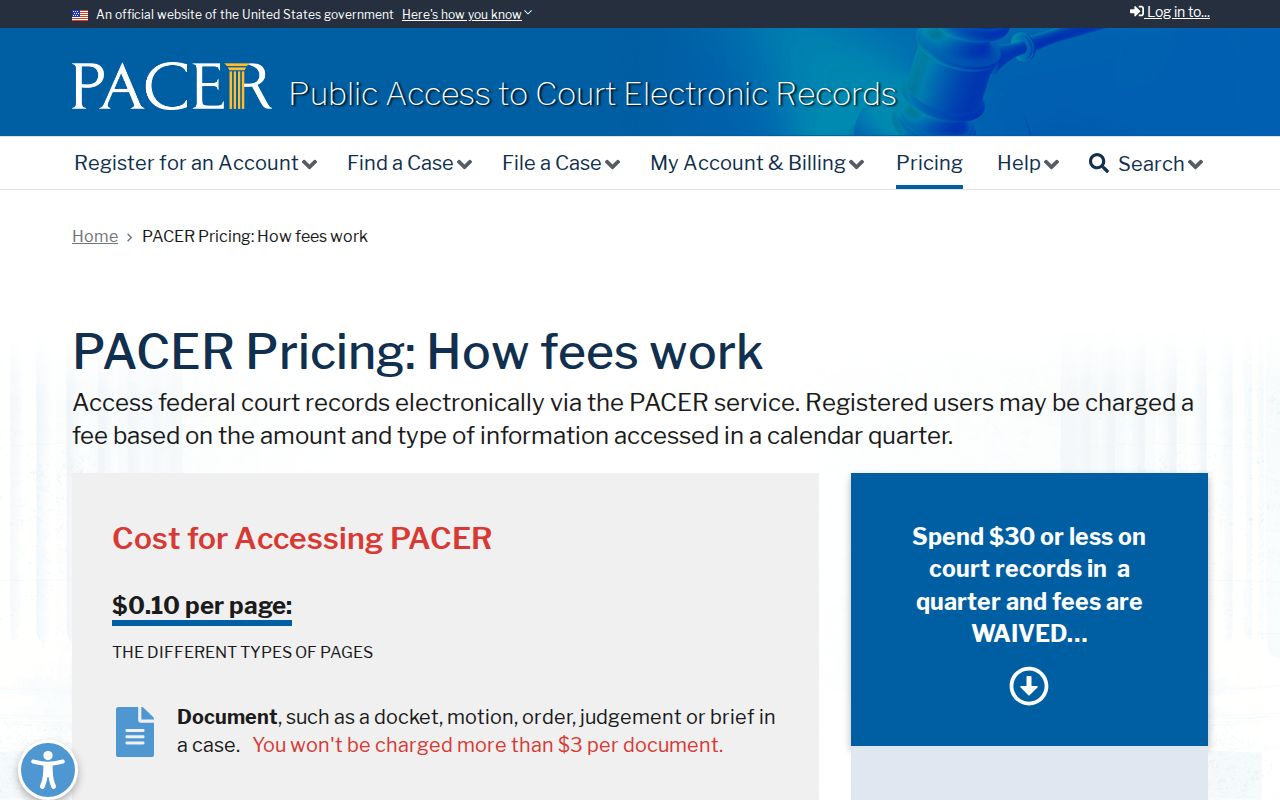
Federal warrants sit outside the warrant records kept by the Marion County Sheriff, the county courts, and the city offices. A different system applies. The Eastern District of Texas and the U.S. Marshals Service run that side of things. PACER can show public docket entries, but sealed complaints and sealed warrants may not appear there. The same goes for CourtListener and RECAP, which carry public filings without promising a complete search. PACER also charges fees. Check current PACER pricing and access rules.
For a federal concern, call your lawyer or the federal court itself. A Marion County warrant list is not a nationwide search.